What to know about Lambeth Council rules for cemetery flowers
Posted on 27/10/2026
If you are trying to understand what to know about Lambeth Council rules for cemetery flowers, you are probably dealing with something personal and time-sensitive. Maybe you want to place flowers on a grave before a memorial visit, or perhaps you are helping a relative and do not want to get the details wrong. Fair enough - cemetery rules can feel a bit opaque at first.
The good news is that the basics are usually straightforward once you break them down. In Lambeth, as in many London boroughs, cemetery flower rules are mainly about respect, space, safety, maintenance, and making sure one person's tribute does not create a problem for another family. This guide explains the practical side of those rules in plain English, with clear advice on choosing, placing, and caring for cemetery flowers without causing avoidable issues.
You will also find useful comparisons, a step-by-step approach, a checklist, and answers to the questions people actually ask. If you want a calmer, more thoughtful way to plan floral tributes, you are in the right place.
- Why the rules matter
- How cemetery flowers usually work
- Benefits of following the guidance
- Who needs this information
- Step-by-step guidance
- Expert tips for choosing flowers
- Common mistakes to avoid
- Tools, resources and recommendations
- Law, compliance and best practice
- Options and comparison table
- Real-world example
- Practical checklist
- Conclusion
- Frequently asked questions
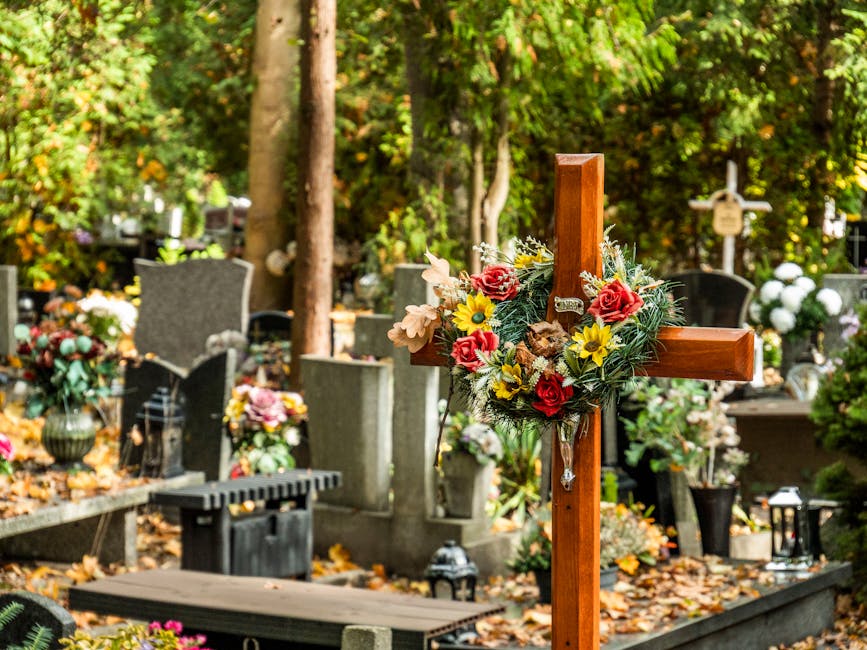
Why What to know about Lambeth Council rules for cemetery flowers Matters
Cemetery flowers are not just decoration. They are often the visible part of grief, remembrance, and family tradition. That is why council rules around them matter so much. They help keep gravespaces tidy, safe, and accessible, and they reduce the chance of flowers becoming a nuisance during routine grounds maintenance.
In practical terms, a cemetery has to balance several needs at once. Families want to place tributes that feel meaningful. Grounds staff need to mow, trim, and clear pathways. Visitors need to walk safely between plots. And the council has to make sure everything works without creating clutter or damage.
That balance is the whole point. The rules are not there to be awkward. They are there to stop a cemetery turning into a patchwork of obstructed paths, broken containers, and wilted arrangements after a rainy spell. To be fair, when you see a cemetery on a wet London morning, with narrow paths and damp earth, it becomes obvious why some structure is needed.
For families, understanding the rules helps avoid a small but painful problem: bringing flowers that are later moved, removed, or not allowed in the space you intended. Nobody wants that surprise on the day of a remembrance visit. Better to know first.
How What to know about Lambeth Council rules for cemetery flowers Works
While the exact rules can vary depending on the cemetery section, grave type, and any local operational policy, most council-managed cemeteries follow a familiar pattern. Flowers are generally welcomed, but they need to fit within the cemetery's maintenance and safety expectations.
That usually means looking at three things:
- Placement: where the flowers may be placed, and whether they must stay within a certain area around the grave
- Type of tribute: whether loose flowers, pots, wreaths, posies, sprays, or permanent memorial items are allowed
- Condition and upkeep: whether faded flowers, broken containers, or clutter will need to be cleared away
In a lot of cemeteries, fresh flowers are fine, but they should not block access routes or interfere with the adjacent grave. Some areas may allow small pots or vases; others may limit containers because they can tip, collect water, or make mowing difficult. That sounds a bit fussy until you imagine a grounds team trying to push equipment past a maze of ceramic pots. Exactly.
If you are unsure, the safest approach is to treat the cemetery as a shared space rather than a private garden. The flowers are for remembrance, but the setting has to serve everyone who uses it.
It can also help to think about flower choice in practical terms. Sturdy arrangements often travel better, last longer, and cope more gracefully with wind or drizzle. A low, stable design may make more sense than something tall and top-heavy. For sympathy-related arrangements, pages such as sympathy flowers and funeral flowers are a useful place to start if you want something simple and respectful.
Key Benefits and Practical Advantages
Following cemetery flower rules is not only about compliance. It also makes the whole experience smoother and more meaningful. A thoughtful tribute that fits the setting tends to last longer and feel more intentional.
Here are the main benefits:
- Less risk of removal: if flowers are placed within the expected limits, they are less likely to be taken away during maintenance
- Better presentation: a well-sized tribute looks cared for rather than squeezed in or left vulnerable
- Easier visiting: clear paths and tidy plots make visits calmer and safer, especially for older relatives
- Less waste: choosing the right arrangement reduces the chance of replacing flowers too quickly
- More respectful to neighbours: keeping to the space available avoids accidental spillover onto nearby graves
There is also a softer benefit that people do not always mention: peace of mind. When you know the flowers are appropriate, you can focus on the visit itself instead of wondering whether you have broken a rule. That matters more than it sounds like it should.
Practical takeaway: the best cemetery flowers are usually the ones that are stable, modestly sized, easy to maintain, and easy for cemetery staff to work around.
Who This Is For and When It Makes Sense
This information is useful for quite a wide group of people. You may need it if you are:
- visiting a relative's grave in Lambeth and want to leave flowers
- arranging flowers for a recent burial or anniversary
- choosing tribute flowers for a memorial date or cultural remembrance day
- supporting a family member who cannot visit in person
- ordering flowers for a funeral service where later grave placement is expected
It also helps if you are deciding between fresh flowers, a wreath, a spray, or a more compact tribute. Different situations call for different designs. A family visit on a quiet Sunday afternoon is not the same as a formal funeral placement, and the arrangement should suit the moment.
For example, if you are choosing something for a cemetery visit rather than a service, a lower-maintenance tribute such as a posy or basket-style arrangement may be easier to manage. If you want a more structured memorial piece, look at the wording and form carefully. Tributes and wreaths are common choices, and you can browse related options like tributes, wreaths, and baskets and posies.
If you are feeling a bit lost in all of this, that is normal. Most people are not cemetery flower specialists. They are just trying to do right by someone they love.
Step-by-Step Guidance
If you want to keep things simple, use this process. It works well whether you are planning ahead or making a last-minute decision.
- Check the cemetery's local guidance. Look for any notes on permitted items, container types, or maintenance cycles. If you cannot find it easily, ask directly before ordering.
- Consider the grave type and space available. A larger memorial may suit a wider tribute, while a smaller plot may need something low and compact.
- Choose an arrangement that can sit securely. Wind, rain, and uneven ground are part of cemetery life. A stable base matters more than people sometimes think.
- Pick flowers that last reasonably well. Hardier stems often cope better outdoors. In UK weather, that can make all the difference by the next day.
- Avoid overcrowding. Leave enough room for upkeep and for other visitors if the plot is in a shared or adjoining area.
- Use a suitable container if allowed. A sturdy vase, basket, or water-retaining foam can help, but only if the cemetery permits it.
- Label any personal item discreetly if necessary. Some families like to add a card or ribbon. Keep it simple and secure.
- Check on the flowers later if you can. If arrangements are left for several days, visit again to remove wilted stems or replace anything damaged.
A useful rule of thumb: if the tribute looks like it would survive a damp Tuesday and a gusty walk across the cemetery, you are probably on the right track. Not glamorous, but true.
Expert Tips for Better Results
Over time, one thing becomes obvious: the most successful cemetery tributes are often the least complicated. That does not mean plain or impersonal. It means thoughtful and appropriate.
Choose stable flower forms
Low arrangements, wreaths, and compact sprays tend to sit better than tall designs. They are less likely to topple or obstruct paths. If you are selecting a memorial tribute, a design with a firm base is often the safer option.
Think about weather, not just colour
A bouquet may look beautiful indoors and be far less convincing outdoors after a day of wind and drizzle. White, cream, purple, and deep red are popular for memorials, but the real question is how the flowers will hold up once placed.
Match the tribute to the occasion
A simple posy can be right for a quiet grave visit. A wreath may feel more fitting for a milestone anniversary or formal remembrance date. If you are not sure, choose the option that feels calm rather than elaborate.
Keep maintenance in mind
Fresh flowers are lovely, but they do need replacing. If you know you will not be able to visit again soon, ask for an arrangement with longer-lasting stems or a more robust finish. You can also review care advice through the florist's general flower care guidance to help the arrangement stay presentable longer.
Be discreet with personal touches
Small cards, ribbons, and handwritten messages are often the most moving details. Overly large decorations, by contrast, can create practical problems or attract attention away from the tribute itself. A gentle line can mean more than a big gesture. That old truth still holds.
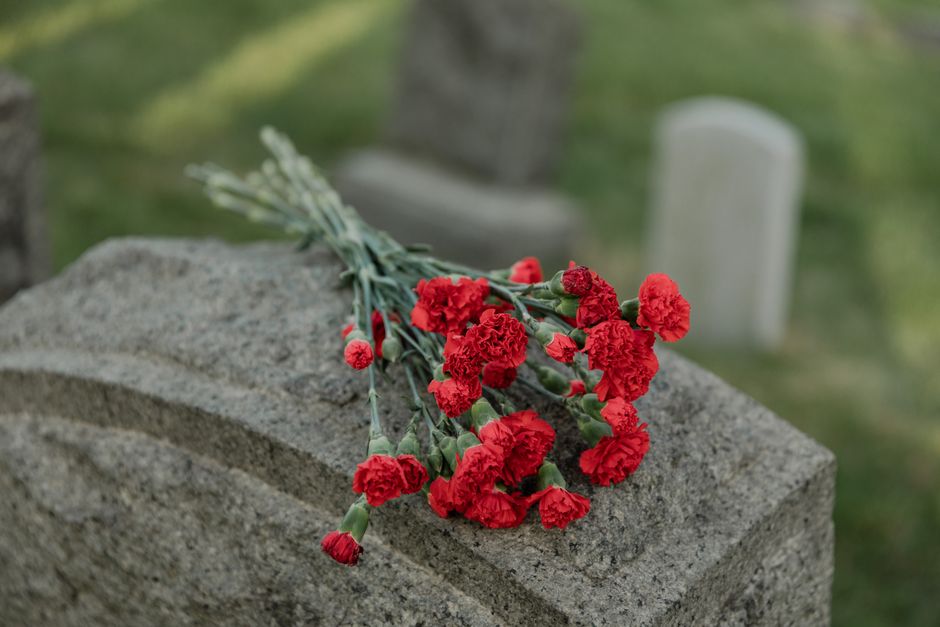
Common Mistakes to Avoid
Most problems with cemetery flowers are avoidable. They usually come from rushing, guessing, or assuming all graves are treated the same. They are not.
- Placing flowers too close to neighbouring graves: this can cause friction and may lead to removal.
- Using containers that are too heavy or unstable: broken pots and toppled vases are a nuisance and a safety risk.
- Choosing arrangements that are too tall: they may block sightlines or get blown over.
- Leaving wilted flowers in place for too long: it can make a tribute look neglected, even when it was originally beautiful.
- Ignoring cemetery rules because the flowers are "only temporary": temporary still counts, and staff still need to manage the area.
- Ordering too late: if the flowers are for a specific visit or anniversary, timing matters more than people expect.
One of the quieter mistakes is forgetting that cemetery spaces change over time. A tribute that was fine in summer may be awkward in winter when paths are wetter and the ground softer. That is why it helps to reassess the setting rather than relying on memory alone.
Tools, Resources and Recommendations
You do not need specialist equipment, but a few sensible tools make things easier.
- Measuring tape or rough visual check: useful for judging whether an arrangement will fit the plot respectfully
- Water source or floral foam: helpful if the cemetery allows it and you want flowers to last longer
- Securing ribbon or florist's wrap: useful for keeping stems together during transport
- Weather protection: a box or bag for transport on rainy days can save a lot of fuss
- Replacement flowers: if the tribute is for a longer period, plan for a refresh rather than assuming the first arrangement will last
If you want a florist-led solution, look for a shop that understands memorial work and can suggest shapes that hold well in outdoor conditions. The product pages for sympathy and sympathy flowers can help you compare styles, while funeral cards can be a practical finishing touch when you need a brief, respectful message.
If you are local and need flowers quickly, delivery timing matters. A same-day or next-day option can be useful when you are arranging a visit at short notice. You can look at same-day flower delivery in West Norwood SE27 or next-day flower delivery in West Norwood SE27 if timing is tight.
Law, Compliance, Standards, or Best Practice
It is worth being careful here. Cemetery rules are often shaped by local policy, cemetery management practices, and general duties around safety and upkeep. They are not always written in the same way from one site to another, and they can change over time. So the safest approach is to treat Lambeth's guidance as the final word for the cemetery you are using.
From a best-practice point of view, the main principles are usually consistent:
- Do not obstruct access: keep routes and surrounding graves clear.
- Use safe, stable materials: reduce the chance of breakage or trip hazards.
- Respect maintenance needs: flowers should not prevent mowing, cleaning, or general care.
- Remove deteriorated items: faded blooms, snapped containers, and damaged ribbons should be cleared.
- Avoid placing unauthorized items: permanent objects or oversized displays may not be permitted.
Think of it less like a strict test and more like a shared standard of care. If your tribute is tidy, stable, and considerate, you are already aligned with the spirit of the rules. And honestly, that is usually what families want anyway.
If you are arranging a memorial from afar, ordering through a local florist can help reduce the risk of inappropriate sizing or last-minute panic. For West Norwood families, a reliable local shop can also advise on which tribute styles are most suitable for cemetery placement. If that is what you need, see the broader selection at Florist West Norwood SE27.
Options, Methods, or Comparison Table
Not every cemetery tribute serves the same purpose. Here is a simple comparison to help you choose.
| Flower option | Best for | Pros | Watch out for |
|---|---|---|---|
| Loose flowers | Quick grave visits | Simple, personal, easy to refresh | Can move or dry out quickly |
| Posy | Small memorial gestures | Compact, neat, easy to place | May be less visible on a larger plot |
| Wreath | Formal remembrance and anniversaries | Structured, classic, stays together well | Can be too large for some spaces |
| Spray | Funerals and graveside tributes | Elegant, stable, widely recognised | Needs suitable placement and size |
| Basket or container arrangement | Longer visits and maintained graves | Stable, decorative, often easier to water | Container rules may vary by cemetery |
If you are still undecided, a florist-choice arrangement can be a sensible middle ground. It gives the florist room to build something seasonally appropriate and practical, which is often better than forcing a design that does not suit the grave space.
For readers comparing styles, you might also find it helpful to browse florist choice, flowers in a vase, and budget-friendly flowers if you want to balance meaning with cost.
Case Study or Real-World Example
A common real-world scenario goes like this. A family member wants to place flowers on a grave in Lambeth before a Sunday visit. They have a beautiful, tall bouquet in mind, but the grave plot is small and the path alongside it is narrow. On the day, the flowers would probably have looked lovely for a while - and then become awkward, maybe even knocked by passers-by.
Instead, they choose a low, compact tribute with sturdy stems and a simple colour palette. The arrangement sits neatly by the stone, does not spill into the path, and stays presentable for the rest of the week. It is not dramatic, but it feels right. Better still, nobody has to worry about whether the flowers are getting in the way of maintenance.
That is the pattern you see again and again. The most successful cemetery flower choices are often the ones that respect the setting first and the presentation second. Not because beauty does not matter - it does - but because a tribute that works in the real space feels more dignified.
If you need something specific for a memorial setting, options such as heartfelt sympathy posy, peaceful wreath, or in loving memory wreath may fit the occasion well.
Practical Checklist
Use this quick checklist before ordering or placing flowers at a cemetery in Lambeth.
- Have I checked whether the cemetery has any specific flower or container rules?
- Does the arrangement fit the size of the grave space?
- Will it stay stable in wind or rain?
- Is the tribute low enough not to block access or maintenance?
- Have I chosen flowers that should last long enough for my visit?
- Do I need a card, ribbon, or message, and is it discreet?
- Have I planned for removal or refresh if the tribute stays in place for several days?
- Have I chosen a style that feels appropriate for the occasion?
Quick decision tip: if you are torn between two options, choose the simpler one. In cemetery settings, simple is often the more respectful and more practical choice.
Conclusion
Understanding what to know about Lambeth Council rules for cemetery flowers does not need to be complicated. At heart, it is about choosing a tribute that is respectful, safe, and easy to maintain. If you keep placement, size, stability, and upkeep in mind, you will avoid most of the common problems people run into.
The best tribute is usually the one that feels thoughtful without creating extra work for anyone. That might be a posy, a wreath, or a compact sympathy arrangement - whatever suits the grave and the occasion. And if you are in doubt, ask before ordering. A five-minute check can save a lot of stress later.
Take your time, choose gently, and let the flowers do what they are meant to do: say what is hard to say out loud.
Get a free quote today and see how much you can save.
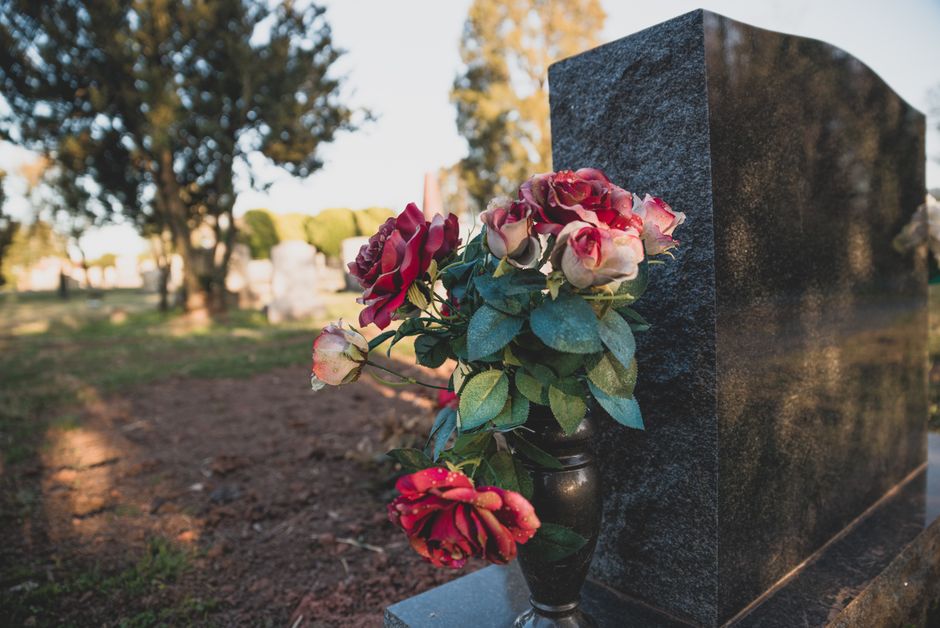
Frequently Asked Questions
Can I leave flowers on a grave in Lambeth at any time?
In most cases, fresh flowers are welcomed, but the exact timing and placement expectations can depend on the cemetery's local rules. It is best to check before leaving a large tribute or anything that may need ongoing maintenance.
Are pots and vases allowed on cemetery graves?
Sometimes they are, sometimes they are not. It depends on the cemetery section and the management policy. Containers can be helpful, but they may also be restricted if they create safety or maintenance problems.
What type of flowers are best for cemetery tributes?
Sturdy, longer-lasting flowers are usually the safest bet. Many people choose carnations, chrysanthemums, lilies, roses, or mixed sympathy flowers because they travel well and tend to look respectful in outdoor conditions.
Do cemetery flowers need to be removed after a certain time?
Usually yes, especially if they have faded, become damaged, or are starting to interfere with maintenance. The timetable can vary, so it is sensible to check the cemetery's guidance and remove wilted flowers promptly.
Can I use a large wreath or spray for a grave visit?
You can if the space allows it and the cemetery rules do not restrict larger tributes. For smaller plots, a compact arrangement may work better and look more balanced.
What should I do if flowers are removed by staff?
If flowers are removed, it is usually because they were outside the cemetery's placement or maintenance rules, or because they had deteriorated. If you are unsure why it happened, contact the cemetery for clarification rather than assuming a mistake was made.
Is it better to order flowers locally for a cemetery in Lambeth?
Often, yes. A local florist is more likely to understand the practical side of delivery timing, tribute size, and the kinds of arrangements that work well for memorial visits in the area.
Can I send cemetery flowers if I cannot visit in person?
Yes, that is a common reason people order tribute flowers. You can choose a style that suits the occasion and ask for delivery to the right location, then arrange a message card if needed.
What happens if the weather is bad on the day of the visit?
Wet or windy weather can affect both transport and presentation. A lower, sturdier tribute usually handles poor weather better than a tall bouquet. If possible, keep the flowers protected until you place them.
Are memorial flowers different from funeral flowers?
They are related, but not always the same. Funeral flowers are often designed for the service itself, while memorial or cemetery flowers are selected for placement at a grave or remembrance site after the service.
What is the safest all-round choice if I am unsure?
A small to medium sympathy arrangement, posy, or wreath is often the safest all-round choice. It is usually easier to place, easier to maintain, and less likely to cause issues with access or upkeep.
Can I add a personal note with cemetery flowers?
Yes, and a short note is often very meaningful. Keep it simple and weather-friendly if the flowers will be outdoors. A discreet card usually works better than anything large or elaborate.
Sometimes the simplest tribute is the one that stays with people longest. And that, really, is the point.